Writing Your CV

In groups of 3-4 brainstorm about what to include in your CVs, then begin writing your CV.
- Start by discussing specific companies you're interested in working for, and researching them as a group. Consider the companies mission statement, size, activities, etc. And what a specific job there may require.
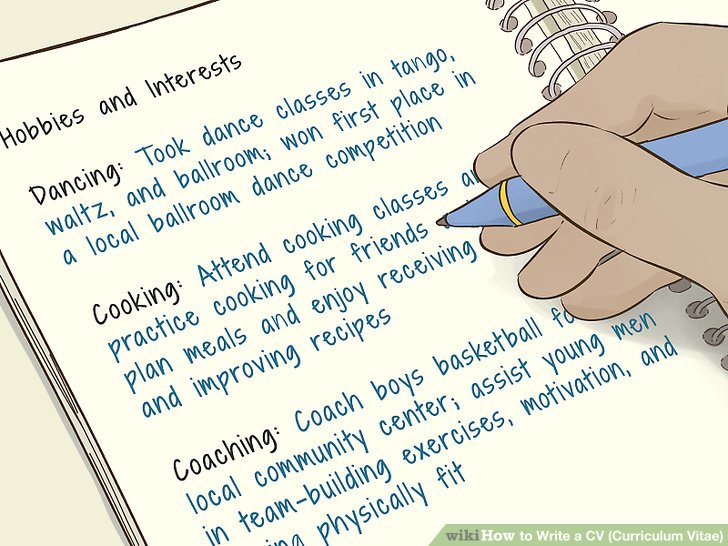
- Based on these findings make your own list of relevant skills, and any hobbies or interests that may be applicable to the company of your interest. These could include languages you speak, mastery of tools, experience in clubs, sports or student government, etc. Think deeply about what may be helpful to include that may not be obvious, and consider how the inclusion of this info may contribute or detract from your application. Share your lists with your classmates, and brainstorm what else you could include (or could remove).
- Create a list your work and education experience. If you are lacking in formal experience, discuss with your classmates what non-traditional experience you have which may be worth including such as student leadership roles, and volunteer experience, medical care for family members, etc.
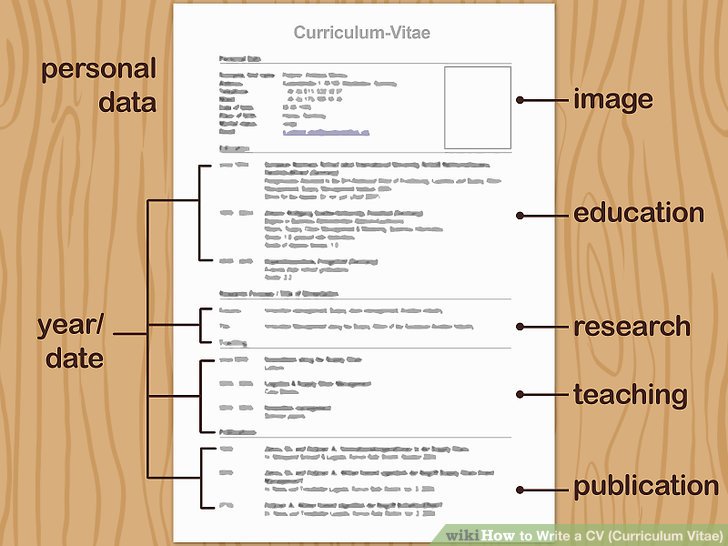
After you've brainstormed and listed potential information for your CV, decide what to include in your final document. Make sure your CV has the following information:
- Name, address and contact details (email, phone number, web url, work instagram handle, etc.)
- Education History
- Work Experience
- Achievements
And consider including the following:
- Skills (experiences with specific softwares (After Effects, Figma, etc.) or techniques (animation, product design, etc.))
- A short statement highlighting your key interests and profile
- Interests
- Other information – if you have a gap of time in your resume, such as time away from work or studies for millitary service, the peace corps, etc. it may be worth mentioning to clear up any questions an employer may have
Consider if you'd like a multi-lingual CV, and how you would create a single or separate documents to accomadate this. Furthermore, keep in mind the concepts for your portfolio and how your CV can enhance them.
Lastly, how you could structure the information in your portfolio in a flexible manner so it can be used in many contexts. For instance, how would a short personal statement differ when applying to a technology company from when applying for an artists residency? What skills might you include when applying for a small studio vs. a fellowship?
Format work and education experience in a reverse chronological order, and save your CV as Google doc for future use in your porfolio materials. Send chris, yeju and Jiwon your CVs via email and add a link to your CV on Google Docs by next class (11.19).
Images from Wikihow